|
Sushil Khyalia I am an ML Researcher on the LLM team at Sarvam AI, where I work on post-training. I was a core contributor to Sarvam 30B and 105B, India's first open-source reasoning MoE models, working mostly on reinforcement learning. I also worked on the SFT and RLVR pipelines for Sarvam-M. I completed my Master's in Machine Learning at Carnegie Mellon University in December 2024, where I worked with Professors Laszlo Jeni and Louis-Philippe Morency on affect recognition in video and on benchmarking multimodal video understanding models. Before that, I spent two and a half years at Samsung Research Headquarters in South Korea. On the Language and Voice Team, under Dr. Chanwoo Kim, I worked on a signal-propagation theory of transformers and the initialization scheme it implies, on lexicon-free text-to-speech, and on open-domain question answering. Earlier, on the Data Analysis Team, I worked on time-series imputation and session-based recommendation. I received my undergraduate degree from IIT Bombay, where I was advised by Prof. Ganesh Ramakrishnan and Prof. Preethi Jyothi on meta-learning strategies for knowledge transfer in natural language understanding. I also worked with Prof. Shivaram Kalyanakrishnan on PAC mode estimation and on complexity upper bounds for policy iteration on deterministic MDPs. |

|
ResearchI am interested in post-training for large language models — reinforcement learning, verifiable environments, and reward design — and in what makes reasoning and agentic behaviour emerge and stay stable at scale. I am also drawn to the theory underneath it: signal propagation and training dynamics in deep networks, and the complexity of sequential decision-making. |
|
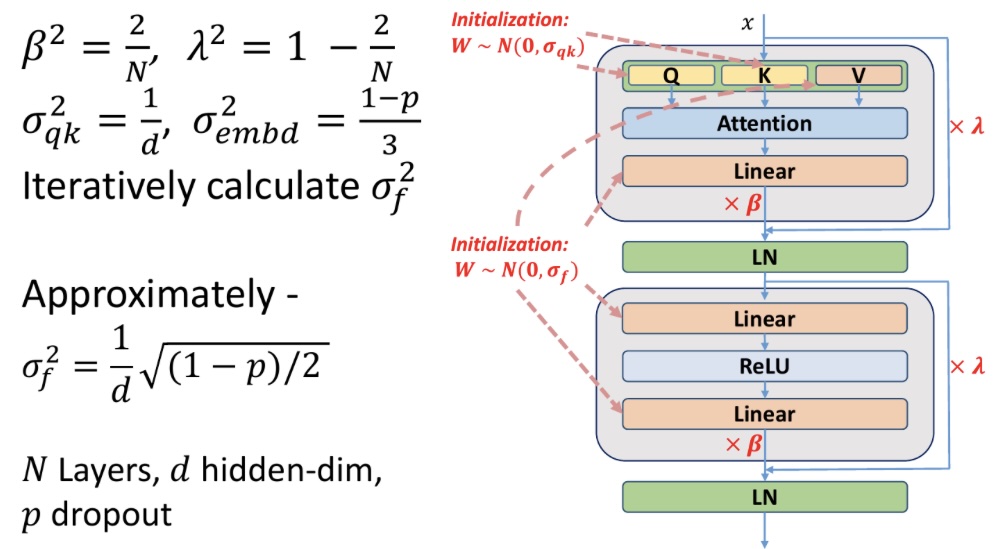
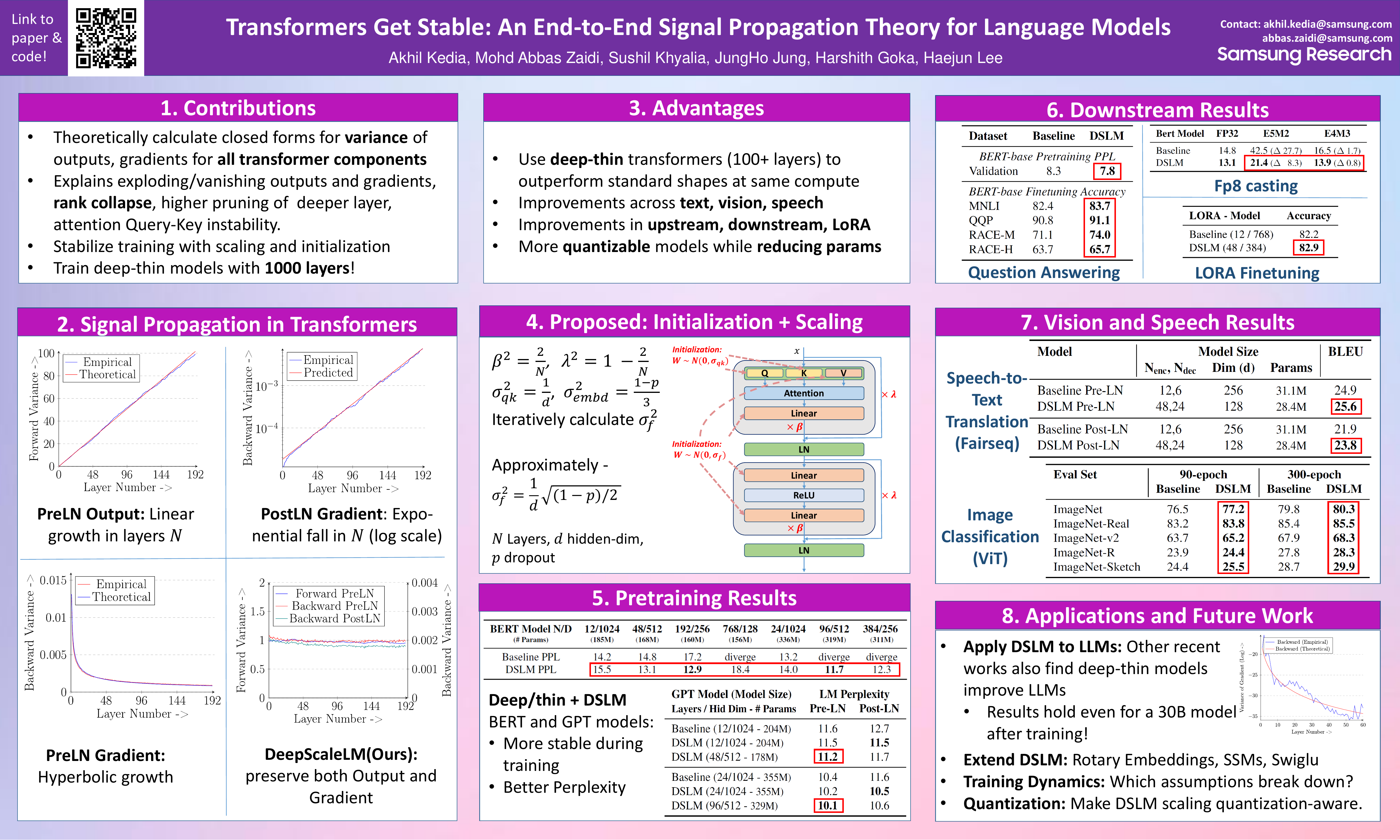
Transformers Get Stable: An End-to-End Signal Propagation Theory for Language Models
Akhil Kedia⋆, Mohd Abbas Zaidi⋆, Sushil Khyalia⋆, Jungho Jung, Harshith Goka, Haejun Lee ICML, 2024 code / pdf / poster A novel initialization and output scaling scheme that enables stable training of transformer networks with up to 1000 layers. |
|
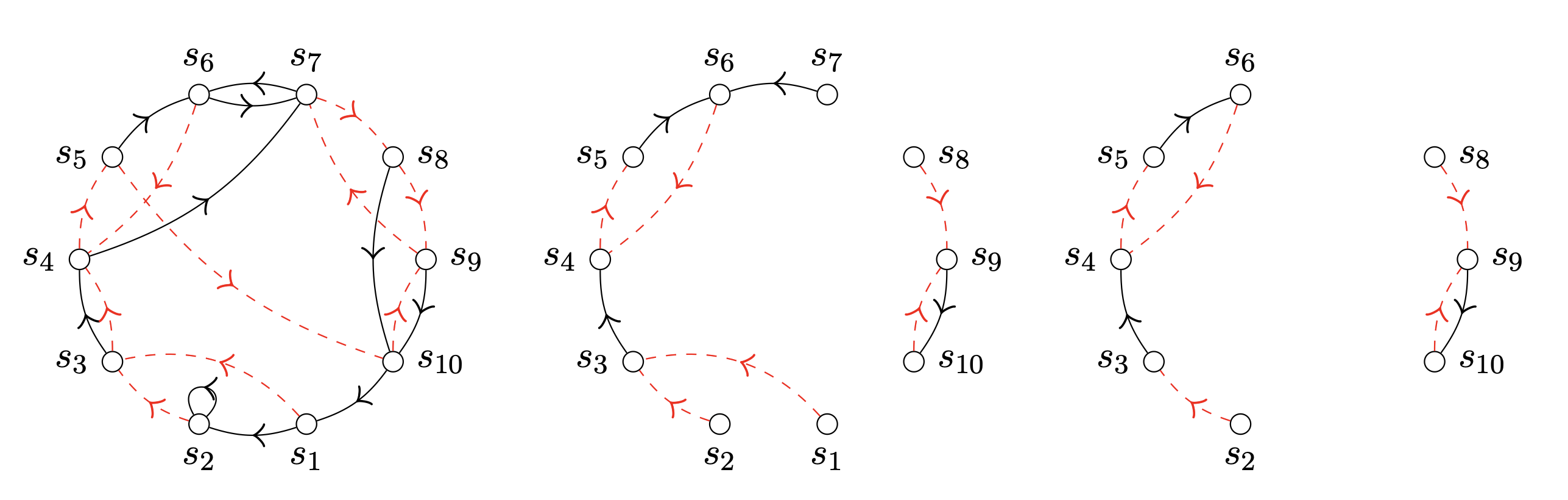
Upper Bounds for All and Max-gain Policy Iteration Algorithms on Deterministic MDPs
Ritesh Goenka, Eashan Gupta*, Sushil Khyalia*, Pratyush Agarwal†, Mulinti Shaik Wajid†, Shivaram Kalyanakrishnan Mathematics of Operations Research, 2025 journal / pdf Upper bounds on Policy Iteration algorithms' running time for deterministic MDPs derived using graph-theoretic analysis. |
|
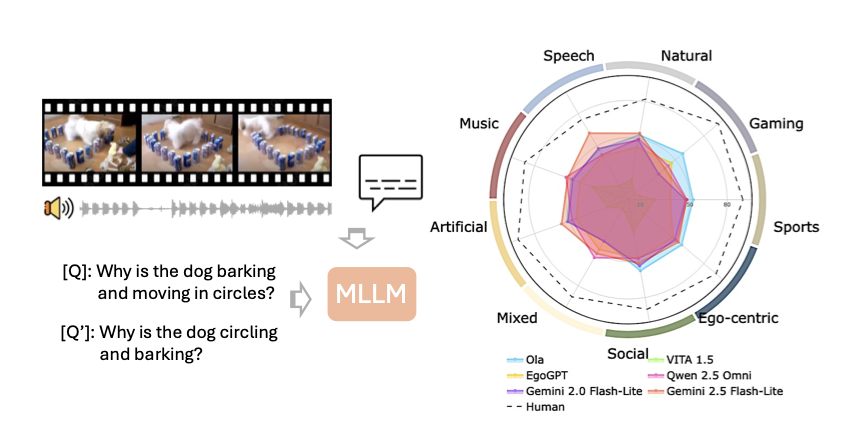
MAVERIX: Multimodal Audio-Visual Evaluation and Recognition IndeX
Liuyue Xie*, George Z. Wei*, Avik Kuthiala*, Ce Zheng, Ananya Bal, Mosam Dabhi, Liting Wen, Taru Rustagi, Ethan Lai, Sushil Khyalia, Rohan Choudhury, Morteza Ziyadi, Xu Zhang, Hao Yang, Laszlo A. Jeni AAAI, 2026 A 2,556-question audio-visual benchmark whose questions cannot be answered from either modality alone, forcing genuine cross-modal reasoning. |
|
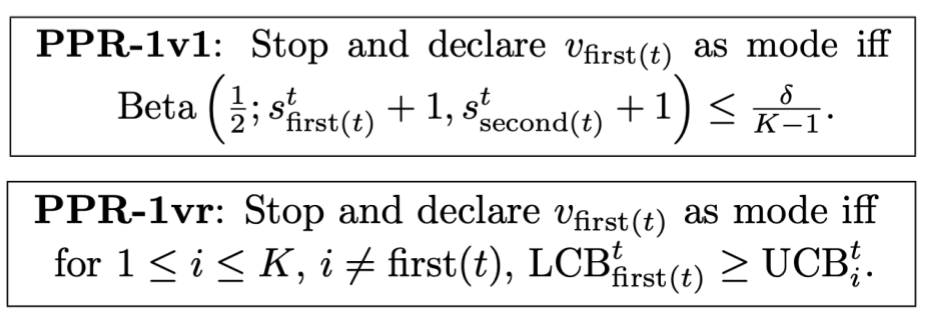
PAC Mode Estimation using PPR Martingale Confidence Sequences
Shubham Anand Jain*, Rohan Shah*, Sanit Gupta†, Denil Mehta†, Inderjeet J. Nair†, Jian Vora†, Sushil Khyalia, Sourav Das, Vinay J. Riberio, Shivaram Kalyanakrishnan AISTATS, 2022 A novel stopping rule based on PPR martingale confidence sequences for PAC mode estimation, offering asymptotic optimality and improved sample efficiency for categorical distributions. |
|
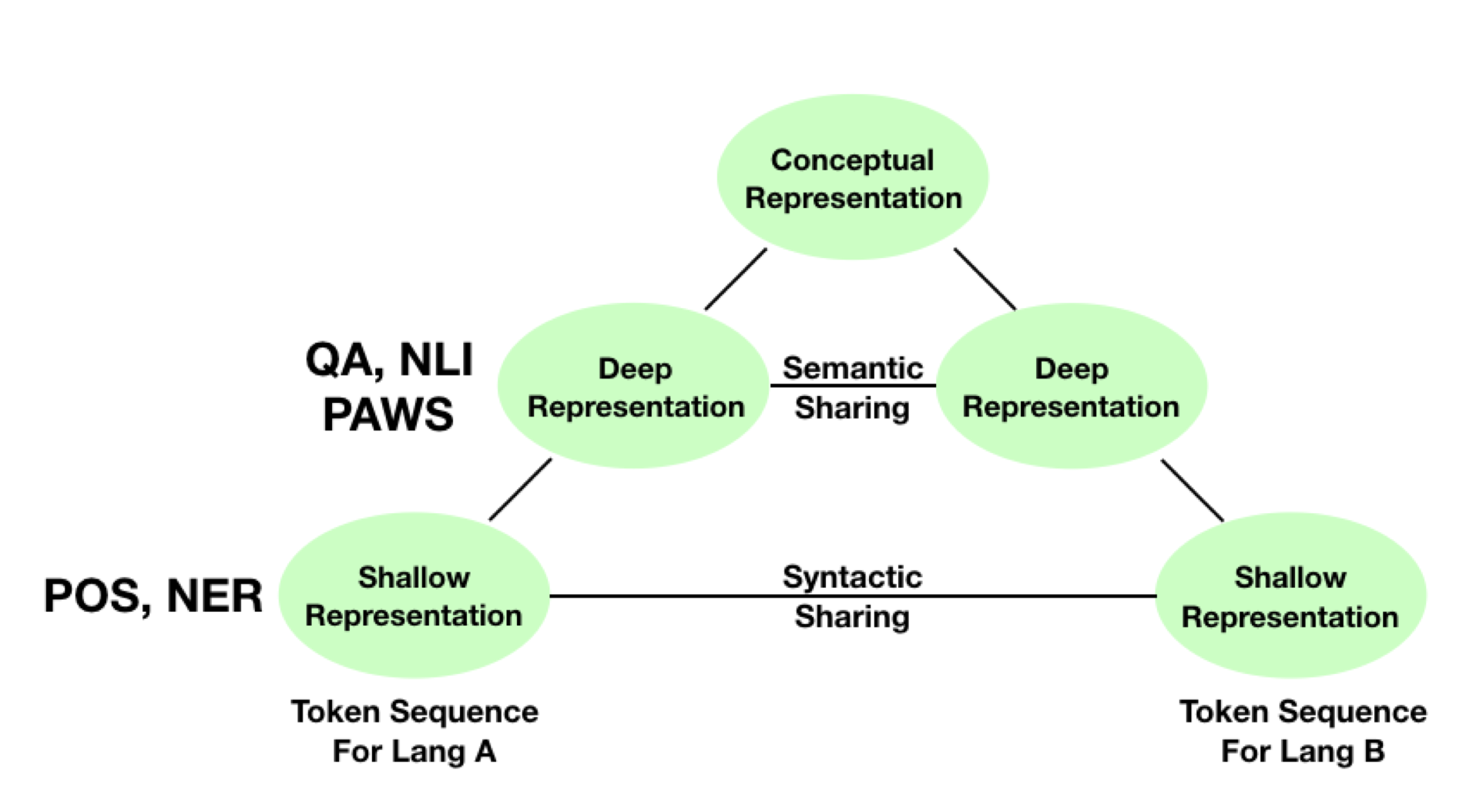
Meta-Learning for Effective Multi-task and Multilingual Modelling
Ishan Tarunesh, Sushil Khyalia, Vishwajeet Kumar, Ganesh Ramakrishnan, Preethi Jyothi EACL, 2021 code / pdf A meta-learning framework that enhances multi-task and multilingual models by optimizing knowledge transfer across diverse tasks and languages. |
|
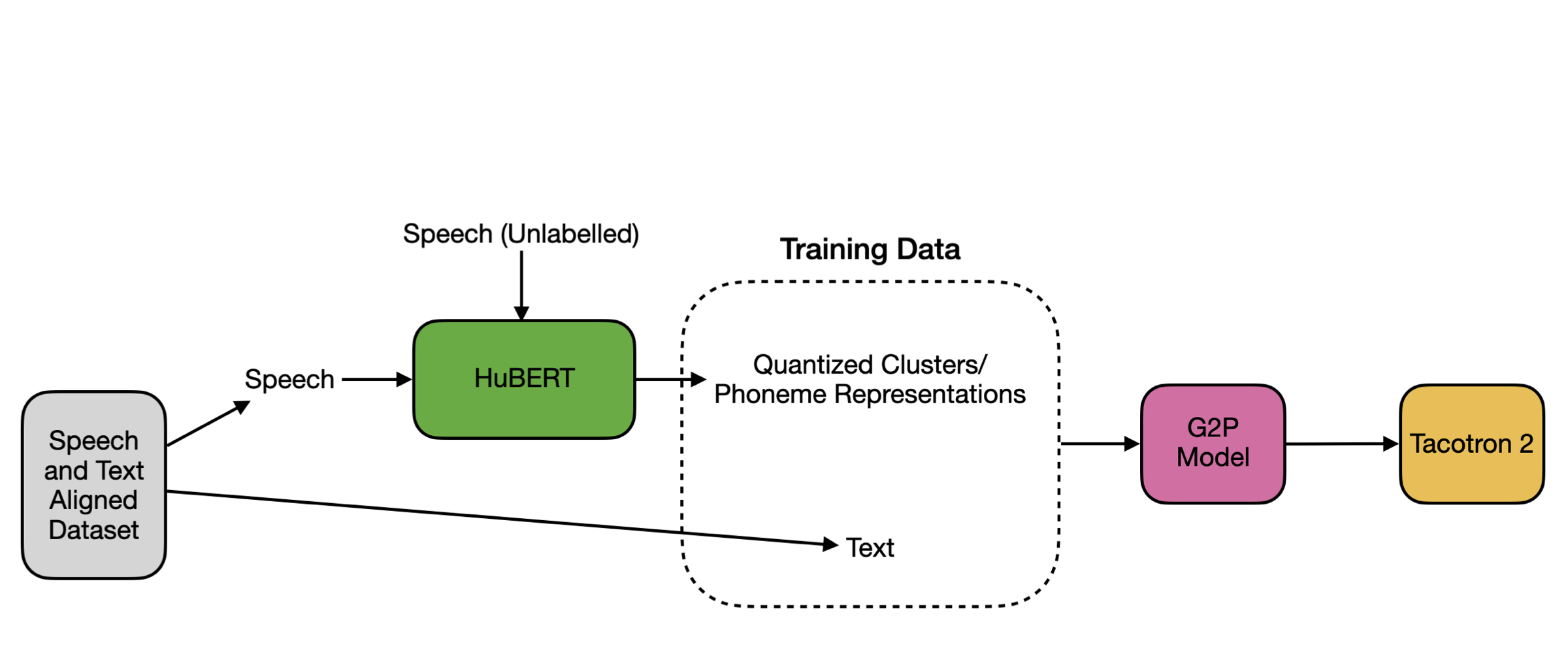
Data Driven Phoneme Representations for a Lexicon Free Text to Speech of Low-Resource Languages
Abhinav Garg, Jiyeon Kim, Sushil Khyalia, Chanwoo Kim, Dhananjaya Gowda ICASSP, 2024 pdf / samples Data-driven grapheme-to-phoneme representations using self-supervised learning eliminating the need for lexicons in text-to-speech systems while achieving competitive performance. |
|
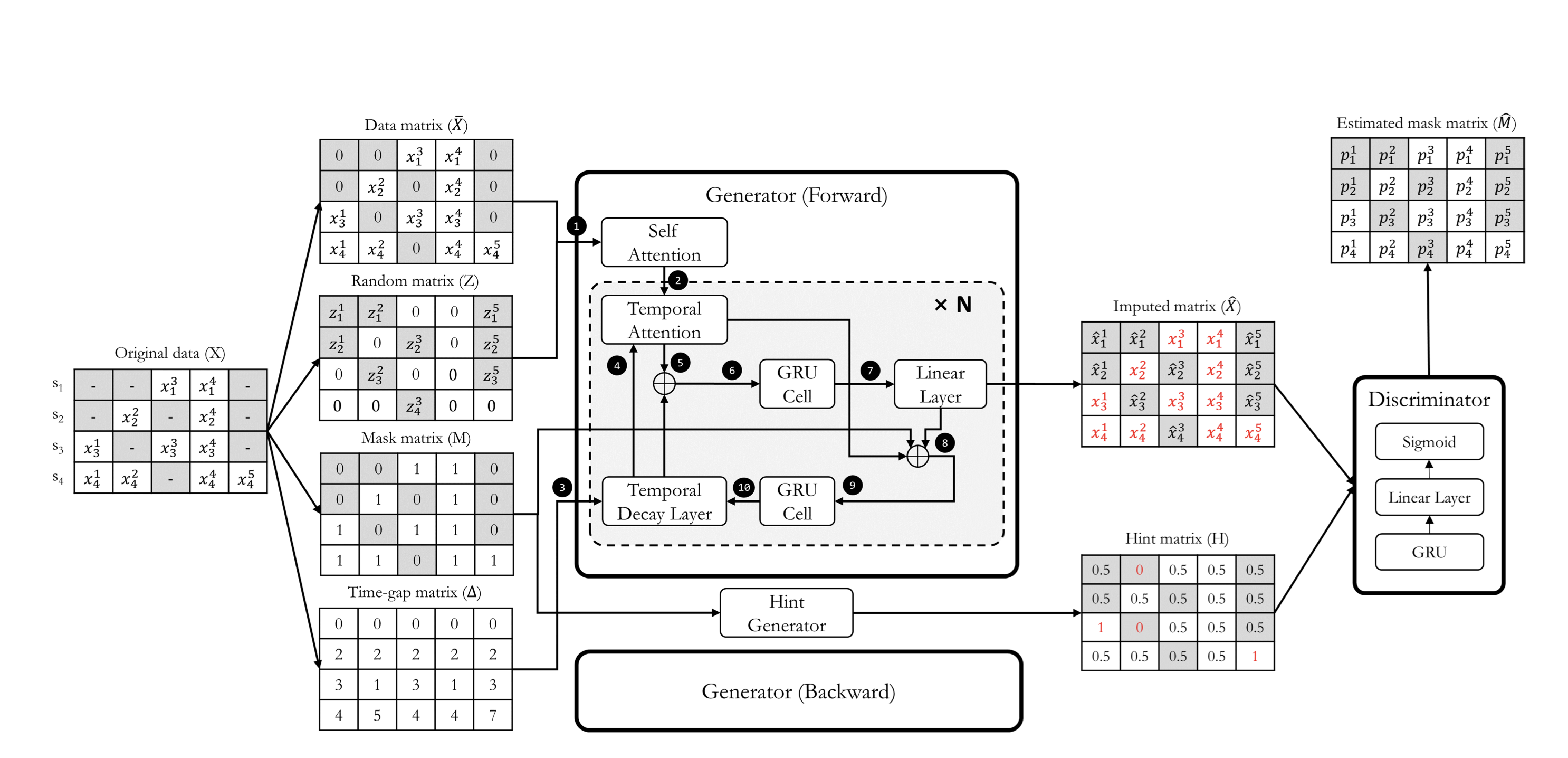
STING: Self-attention based Time-series Imputation Networks using GAN
Eunkyu Oh, Taehun Kim, Yunhu Ji, Sushil Khyalia ICDM, 2021 A GAN-based self-attention network for imputing missing values in multivariate time series data, enhancing accuracy through bidirectional RNNs and novel attention mechanisms. |

|
SR-GCL: Session-Based Recommendation with Global Context Enhanced Augmentation in Contrastive Learning
Eunkyu Oh, Taehun Kim, Minsoo Kim, Yunhu Ji, Sushil Khyalia DLG-AAAI, 2022 Improving session-based recommendation by combining contrastive learning with global context-aware augmentations, leading to more accurate and robust predictions. |
|
I used Jon Barron's website template source code as a base. |